
Sleep · Nightmares
When the Nightmares Keep Coming Back
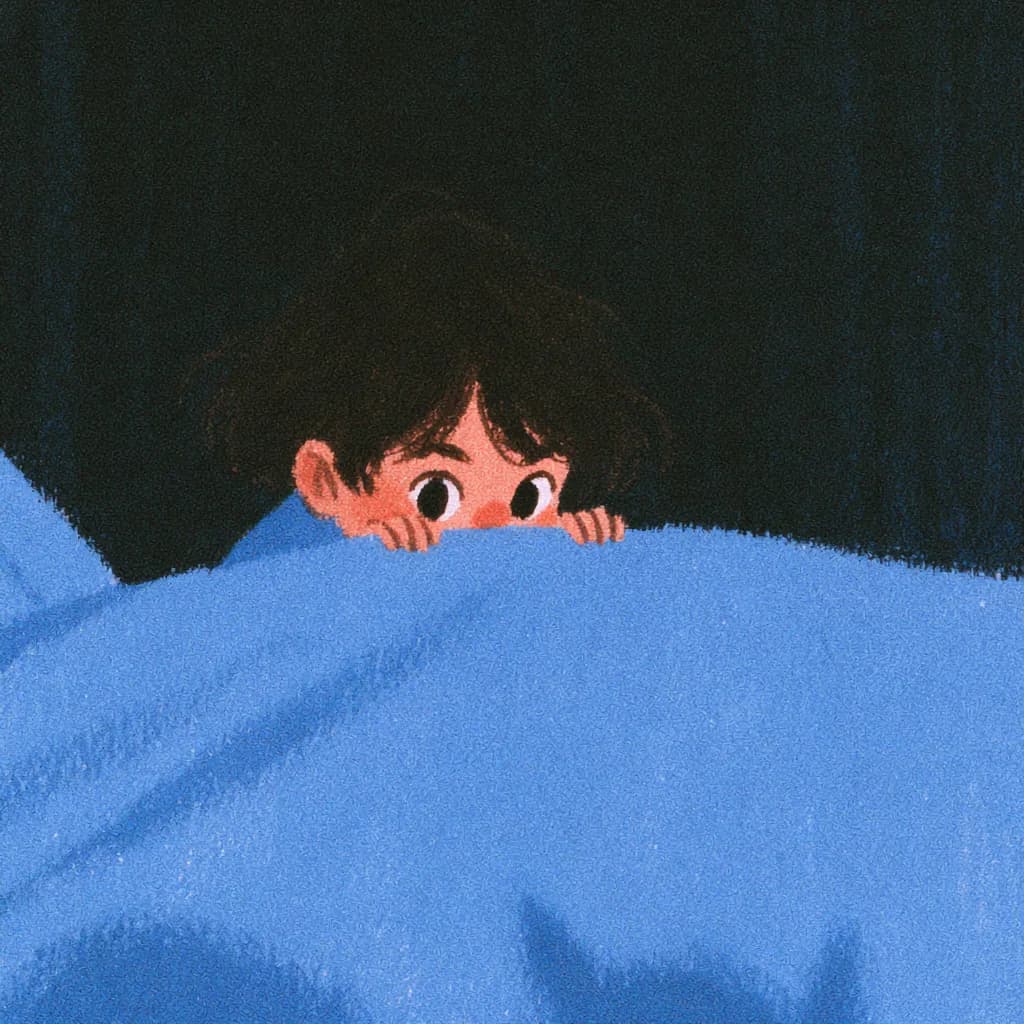
Awake at 3 a.m., the same dream again.
October 1, 2026 · 4 min read
By the BananaBook team
In short: nightmares, between ages 3 and 6, are common and passing — a sign of an imagination growing faster than the ability to untangle what's real. There's no single recipe for easing them; what comes up again and again is that a bad dream loses its power once it can be revisited the next day, in daylight, as a story you can change.
Awake at 3 a.m., the same dream again.
A nightmare isn't a sign that something is wrong. Between three and six, a child's imagination grows faster than their ability to tell what's real, and the night is where the two meet. Most children go through a stretch of bad dreams. It passes.
At night, a child who wakes isn't after an explanation — they're after someone. That's probably the one thing we can be fairly sure of. The rest — staying a while or not, talking about the dream or letting it go, turning the lamp back on — every child, every family answers in their own way, and no one knows yours better than you.
What does come up often, though, is that a nightmare shrinks once it can be told the next day, in daylight. A bad dream is a story — and a story can be changed. You might wonder what the monster itself was afraid of. Give it a ridiculous name. Draw it, then draw it tiny.
The real shift is from being chased to being in charge. A child who has a plan — a word to say, a friend who arrives, a creature that eats bad dreams — often carries it into sleep. The monster gives chase as long as it stays hidden in the dark; it's far less frightening the day it becomes a character.
That's exactly what a story can do. In [The Nightmare Eater](→ book link), the little monster under the bed is, deep down, even more frightened than the child — and the scary thing is settled on the page, calmly, before it has to be at 3 a.m.
And if nightmares come almost every night for several weeks, or if a child starts to dread bedtime, mentioning it to your paediatrician can help. Not because something is wrong — usually all is well — but because sleep is worth watching over.
Frequently asked questions
Why do children have nightmares?
Between 3 and 6, imagination grows faster than the ability to tell real from imagined. Most children go through a stretch of bad dreams — it's common and passing.
Is there a "right" way to react at night?
No single recipe. What comes up often is that a waking child is first looking for a presence; the rest depends on them, and on you.
What helps a child feel less afraid?
Many families notice that a nightmare loses its power once it can be revisited the next day as a story: naming it, drawing it, making it ridiculous.
When should I speak to a professional?
If nightmares return almost every night for several weeks, or if the child dreads bedtime, your paediatrician is the right person to ask.
Stories that go with it

More from the Journal
Sleep
When the Nightmares Keep Coming Back
Awake at 3 a.m., the same dream again.
1 related story Read

Big questions
Is Father Christmas Real? How to Answer Your Child
Your child is starting to doubt Father Christmas? How to answer with honesty, without lying and without breaking the magic — a gentle approach for parents.
1 related story Read
Big milestones
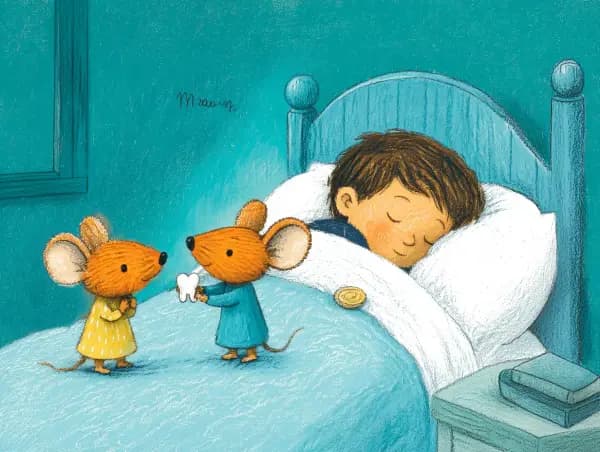
The First Milk Tooth Starts to Wobble
Half excitement, half worry.
1 related story Read